Construction and operational risk
Equity, tax credit capital, and debt are flowing into renewable energy and infrastructure projects, but insurance capacity hasn’t kept pace. Powerline bridges the gap with customized property and casualty programs for construction and operations projects, addressing risks such as startup delays, pollution, natural catastrophe, and management liability.
We work with traders, distributors, and wholesalers with recurring large ticket transactions and export finance exposure to mitigate cash flow impact and preserve the cash conversion cycle.
- Customized coverage structures
Customized coverage structures
- Startup delay coverage
- Pollution risk protection
- Natural catastrophe coverage
- Management liability insurance
- Integrated cargo, property, and stock-throughput programs
- Commodity stock protection in storage and transit
- Political risk coverage: confiscation, terrorism, currency devaluation
- Trade commercial credit programs (single counterparty or portfolio)

Structured weather products
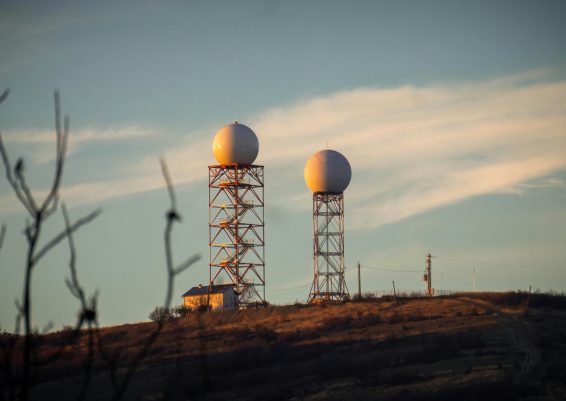
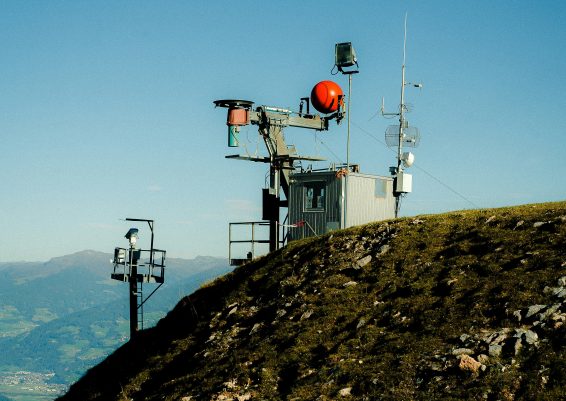
Customized insurance packages for renewable energy and other capital-intensive projects that cover a spectrum of complex weather events.
- Negating natural risk
- Customized coverage structures
Negating natural risk
Weather is a critical risk factor for both revenue generation and cost management in renewable energy and other capital-intensive projects. Lack of sunshine inhibits solar production revenues; lack of wind disrupts a wind farm’s product while an excess of it can hamper project construction efforts.
Cyber
Cyber insurance for energy and real estate projects covers incident response, system restoration, ransomware extortion, and business interruption resulting from cyber events. Coverage may include both first-party losses and third-party liability, including privacy and security claims and certain regulatory defense costs.
- Positioning risk to secure cyber capacity
- Customized coverage structures
Positioning risk to secure cyber capacity
Securing coverage requires a comprehensive application supported by evidence of multi-factor authentication, secure backups, incident response planning, and broader risk management controls. Careful negotiation of exclusions and sublimits is critical.
For energy projects, underwriters focus closely on operational technology, supervisory control and data acquisition (SCADA) systems, remote access protocols, network segmentation, and incident response readiness. A well-documented control environment is essential to obtaining meaningful limits and competitive terms.